
It has survived 3,000 years, earned UNESCO recognition, sparked international disputes, and sits on every Korean table from breakfast to dinner. This is the extraordinary story of kimchi.
Ask any Korean what food defines their country and the answer comes without hesitation. Not bibimbap, not Korean BBQ — kimchi. It is the dish served at every meal, in every household, in every region, across every generation. It is Korea’s most famous export, its most fiercely protected cultural treasure, and one of the most nutritionally complex fermented foods on earth. But its story goes far deeper than the jar on your table.
01 Ancient Origins
A dish born from survival – 3,000 years in the making
The story of kimchi begins not in a kitchen but in a field, in a Korea where winters were long and cold and the ability to preserve food through the season was a matter of survival. The earliest forms of kimchi were simple — vegetables salted and packed away to prevent spoilage through the frozen months. No chili, no garlic, no fermented fish paste. Just salt and time.
This early preservation practice dates back over 3,000 years, making kimchi one of the oldest continuously consumed foods in Korean history. The transformation into the fiery, complex dish we recognize today came in stages. Garlic and ginger were introduced gradually over centuries. But the most dramatic turning point came in the 17th century, when chili peppers — brought to Korea through trade routes from the Americas via Japan — were adopted into kimchi-making with an enthusiasm that changed the dish forever.
By the 19th century, the napa cabbage variety had become dominant, and the kimchi we know today — vibrant red, deeply savory, alive with fermentation — had essentially taken its modern form. What began as a survival strategy had become a cultural identity.
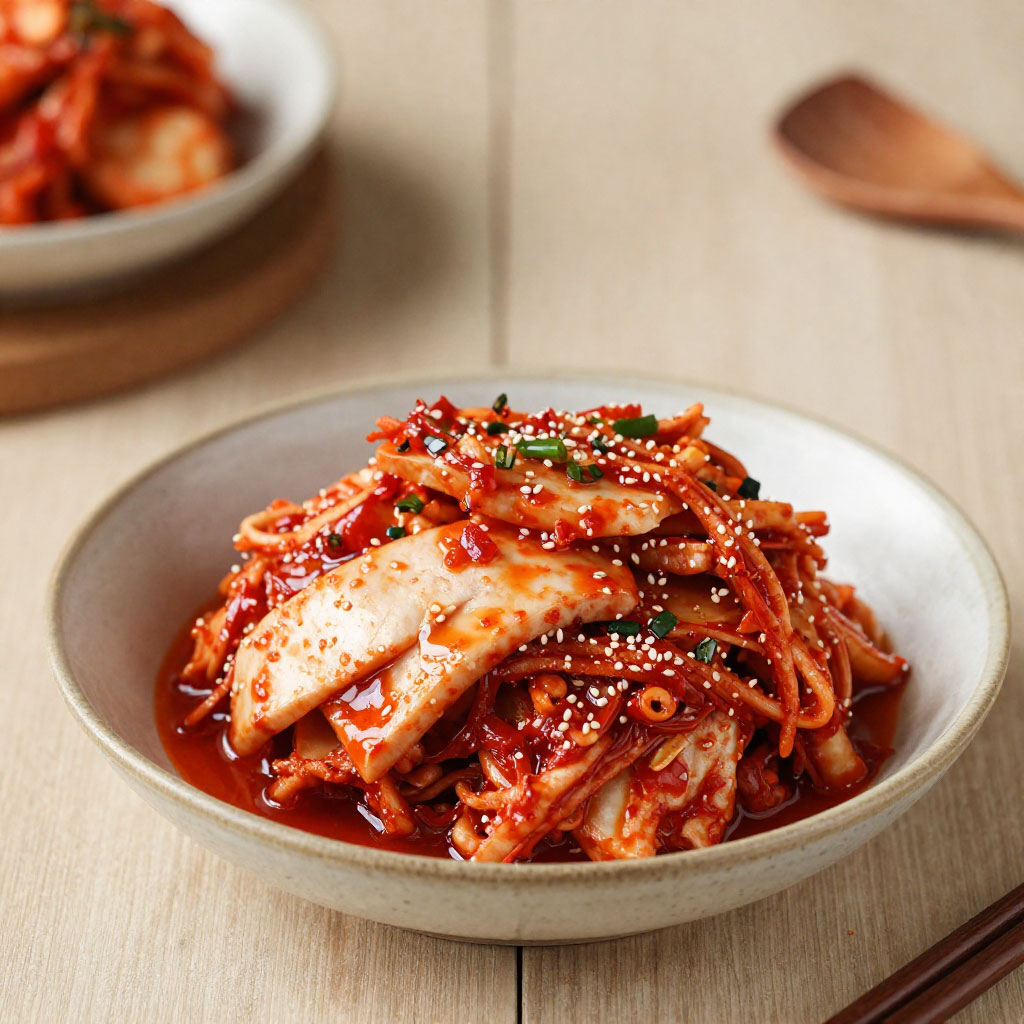
02 What Exactly is it?
The science and soul of fermentation
At its most basic, kimchi is a fermented vegetable dish — typically napa cabbage or Korean radish — seasoned with a paste of chili flakes, garlic, ginger, salted shrimp or fish sauce, and green onion, then left to ferment through a natural lactic acid process. But that description barely scratches the surface of what makes kimchi so remarkable.
The fermentation process is what gives kimchi its complex, layered flavor — and its extraordinary nutritional profile. As it ferments, kimchi produces beneficial bacteria that support gut health, vitamins B and C, and antioxidants. It is simultaneously spicy, sour, salty, and deeply umami in a way that is almost impossible to replicate through any other cooking method.
“Kimchi is not just a dish. It is the result of time, nature, and tradition working together. It is Korea’s seasons in a jar.”
The taste and appearance of kimchi also varies dramatically by region. The cold northern regions of the Korean peninsula are known for white kimchi with fewer chili flakes, while the Honam region is celebrated for its hot and spicy flavor profile, and the Youngnam region for its characteristic saltiness. There is no single kimchi — there are hundreds of kimchis, each a reflection of the land and community that produced it.
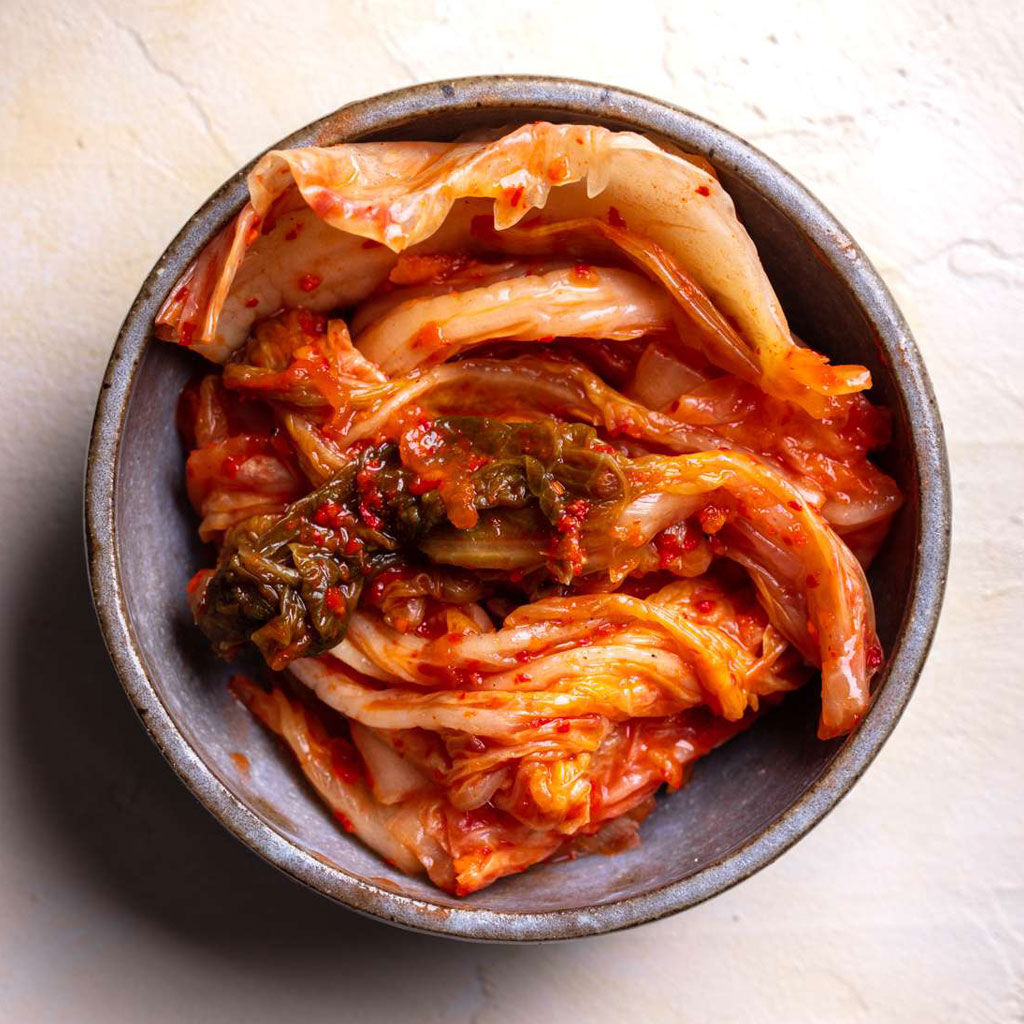
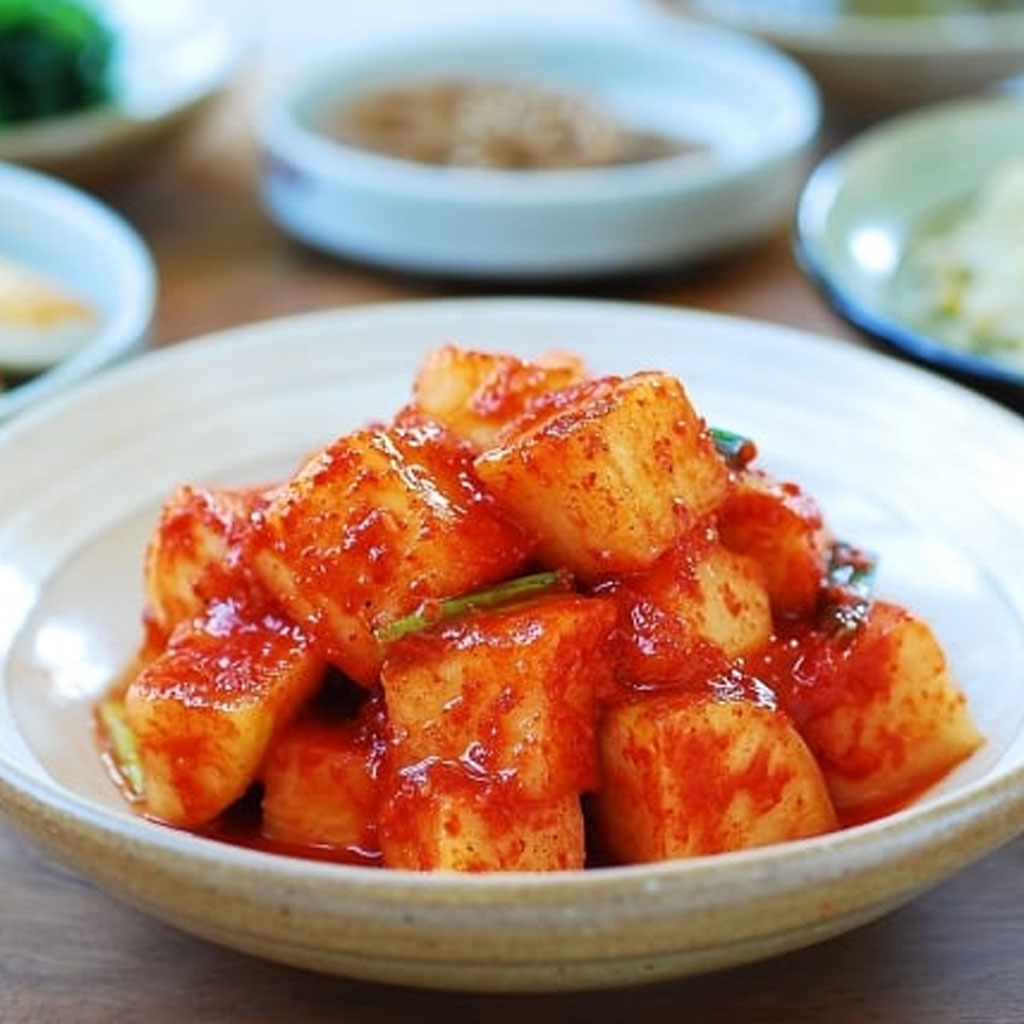
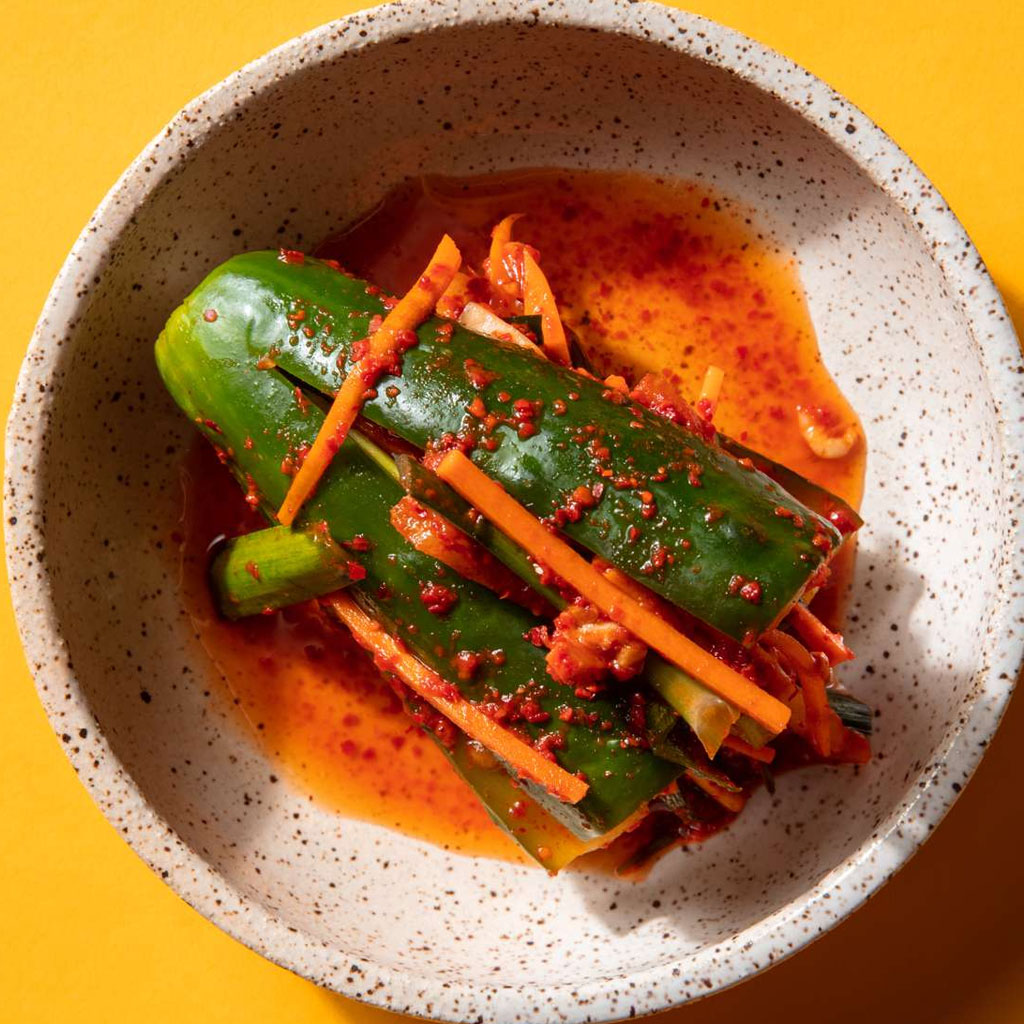

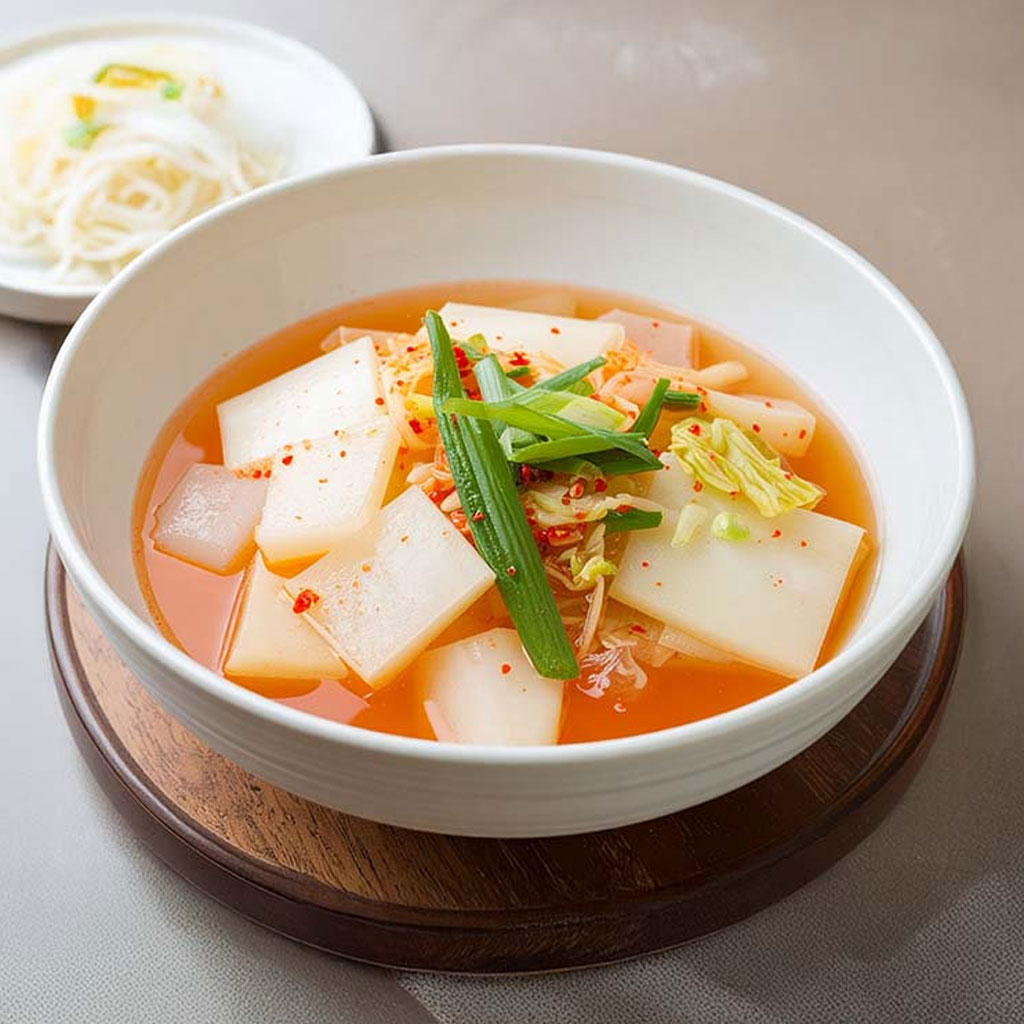
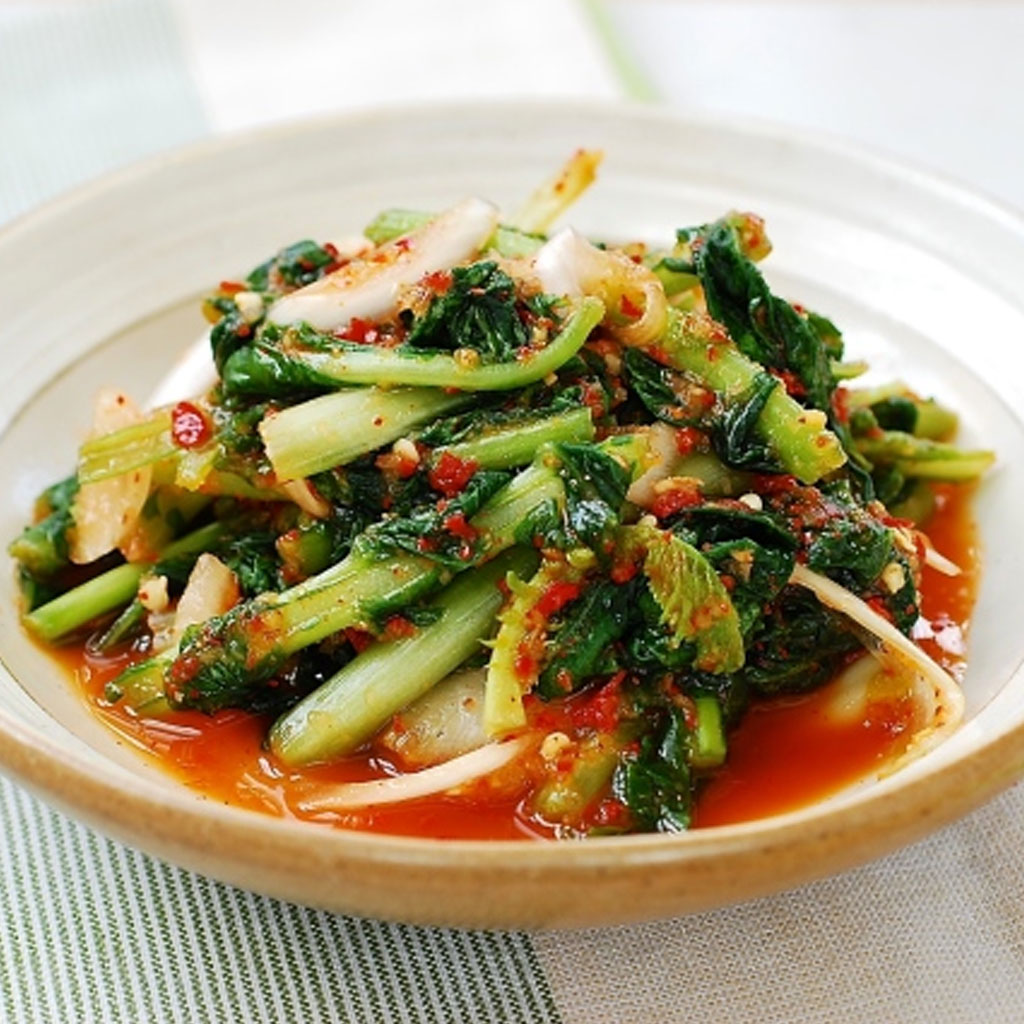
1. Barechu Kimchi • 2. Kkadugi • 3. Oi Sobagi • 4. Baek Kimchi • 5. Nabak Kimchi • 6. Yeolmu Kimchi
03 The UNESCO Tradition
Kimjang – the communal ritual that feeds an entire winter
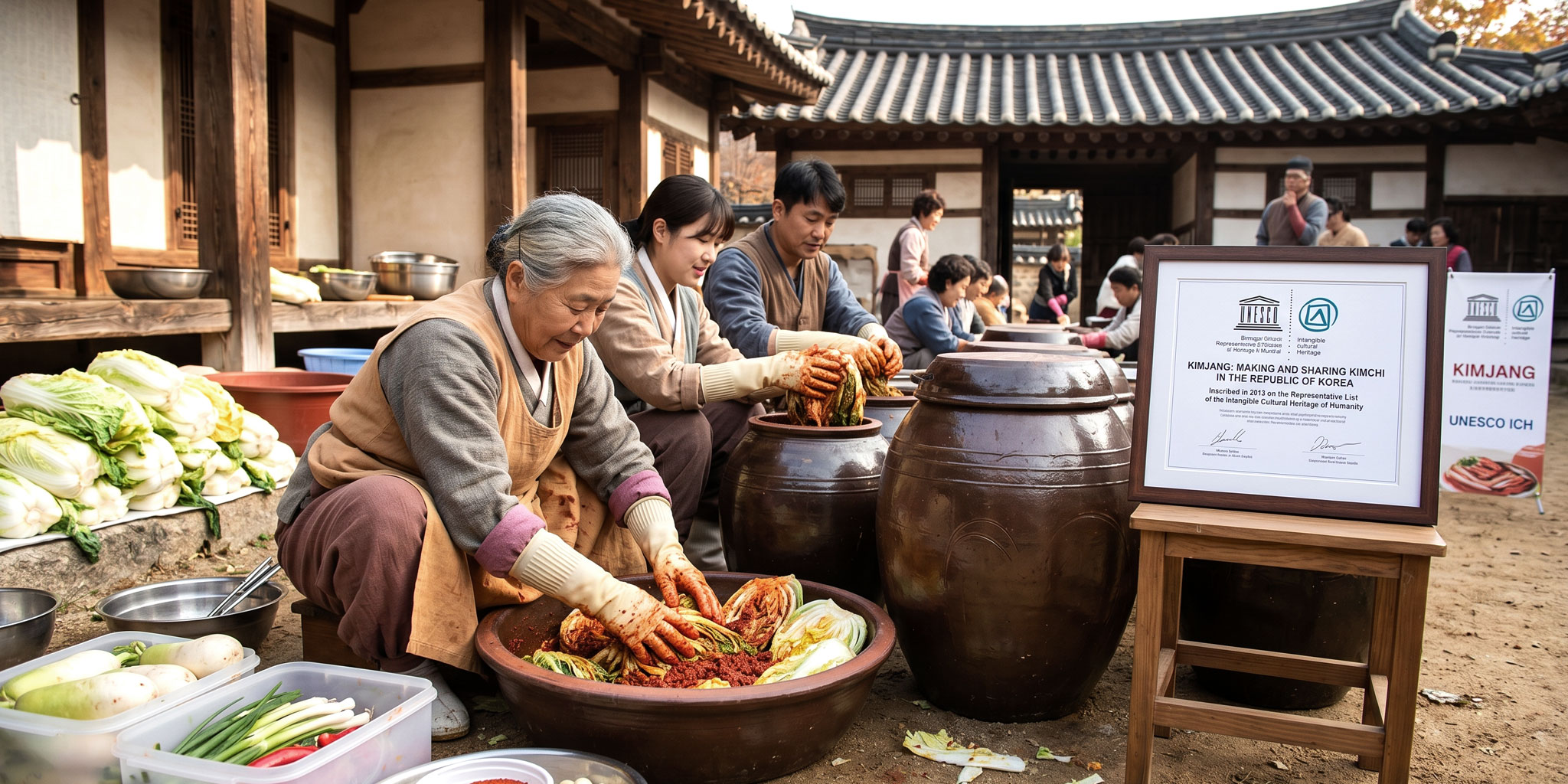
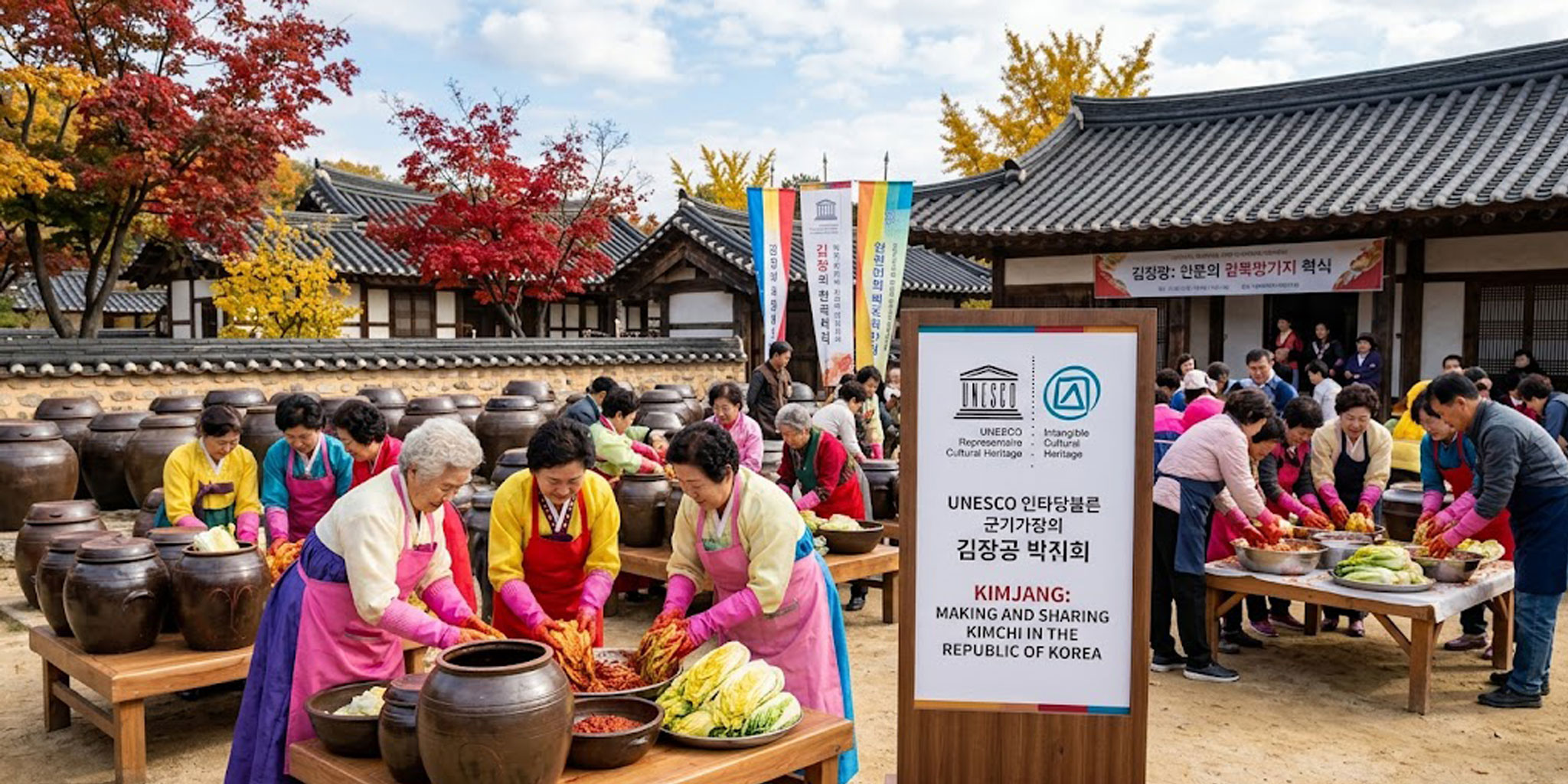
To understand kimchi fully, you must understand kimjang. Kimjang is the centuries-old tradition of collectively preparing and sharing large quantities of kimchi in late autumn to sustain the entire family or community through the winter. It is not merely a cooking session — it is one of the most important communal rituals in Korean cultural life.
Historically, kimjang was a massive collective undertaking. Hundreds of cabbages needed salting, rinsing, and packing with paste — a volume of work so large that no single family could manage it alone. Neighbors, relatives, and friends would gather and work together across multiple days, sharing labor, recipes, and conversation. When the work was done, the kimchi was shared equally among all who participated.
In 2013, South Korea’s tradition of kimchi-making — gimjang — was inscribed on UNESCO’s Representative List of Intangible Cultural Heritage of Humanity. The recognition acknowledged kimjang not simply as a cooking practice but as a mechanism for social cohesion, community bonding, and the transmission of cultural identity across generations — from mothers to daughters, from mothers-in-law to daughters-in-law, from neighbor to neighbor.
A beautiful cultural tradition associated with kimjang is the practice of eating bossam — tender, thinly sliced boiled pork belly — on the day of the communal kimchi-making work. Workers would sit together and eat the fresh pork wrapped in newly made kimchi leaves, celebrating the end of a day’s shared labor.
04 The Superfood
Why the world’s scientists and nutritionists fell in love with kimchi
Korea has long considered kimchi a restorative food — something believed to promote good health, strengthen immunity, and aid digestion. Modern nutritional science has spent the last two decades catching up with what Korean grandmothers have known for centuries.
- 🦠Probiotic powerhouseThe lactic acid fermentation process produces beneficial Lactobacillus bacteria that support gut microbiome health. A single serving of kimchi can contain billions of live probiotic cultures.
- 🛡️Immune system supportRich in vitamins C and K, beta-carotene, and antioxidants from chili peppers and garlic. Regular kimchi consumption is linked to stronger immune response in multiple studies.
- ❤️Heart health benefitsResearch suggests that fermented kimchi may help reduce LDL cholesterol and regulate blood pressure, contributing to long-term cardiovascular health when eaten as part of a balanced diet.
- 🔥Metabolism boostCapsaicin — the active compound in the chili peppers that give kimchi its heat — has been shown in studies to support metabolic function and assist in weight management.
- 🧠Gut-brain connectionEmerging research into the gut-brain axis suggests that the probiotic diversity in fermented foods like kimchi may have positive effects on mood, cognitive function, and mental wellbeing.
05 Global Phenomenon
From Korean tables to the world – kimchi goes global
Kimchi’s journey from a Korean preservation staple to a global food phenomenon is one of the most remarkable cultural export stories of the 21st century. It now appears in fusion dishes around the world — kimchi tacos, kimchi burgers, kimchi fried rice, kimchi grilled cheese — proving a versatility that its ancient inventors could never have imagined.
The rise of K-culture globally has accelerated kimchi’s international recognition dramatically. As K-dramas and K-pop introduced millions of new fans to Korean culture, food curiosity followed. International food media began covering kimchi seriously. Supermarkets across North America, Europe, and Southeast Asia began stocking commercial kimchi. Home fermentation communities began making it from scratch.
The international standard of kimchi was stipulated by the Codex Alimentarius Commission in 2001 — a recognition that kimchi had become significant enough on the global food stage to require its own international food safety standard. Korea has fiercely protected kimchi’s identity and originality through international bodies ever since, navigating what became known as the “kimchi wars” — diplomatic disputes over origin claims with neighboring countries.


Comment (0)