

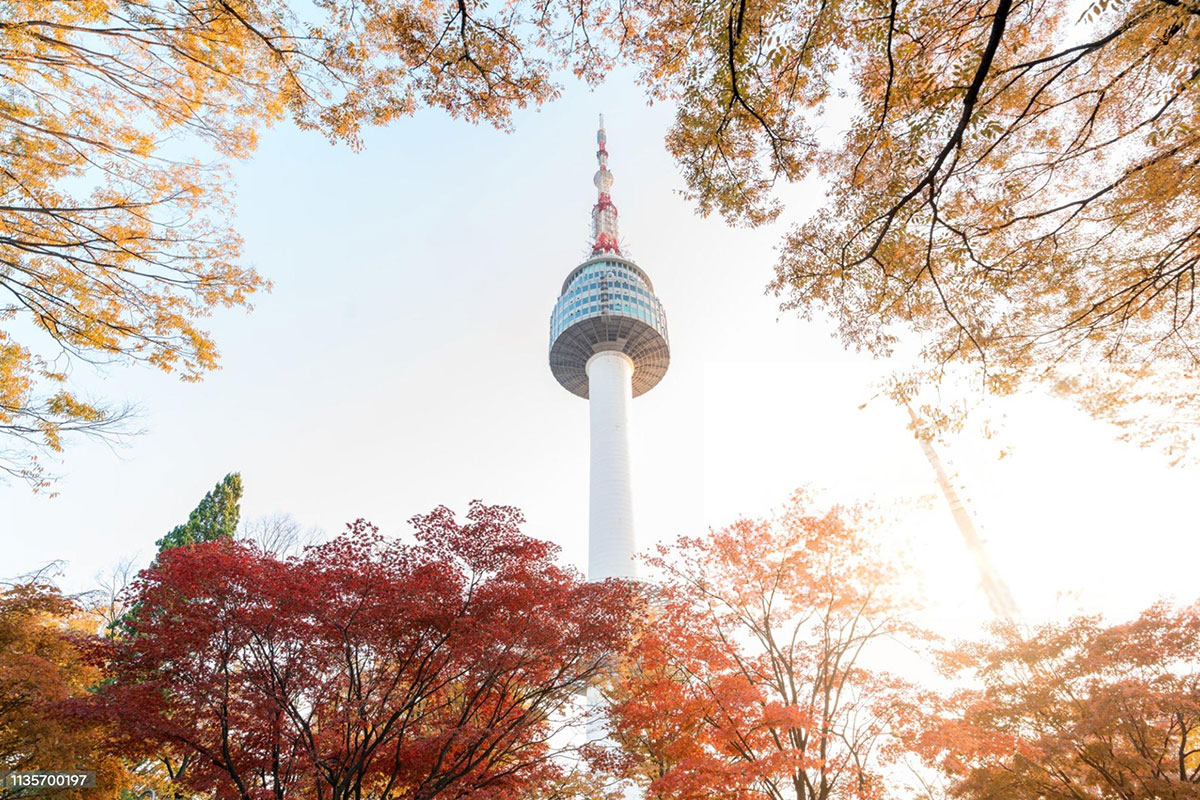

South Korea blends deep-rooted traditions with cutting-edge modernity. Historic palaces, temples, and Confucian heritage coexist with futuristic skylines and advanced digital infrastructure. Korean cuisine—featuring dishes like kimchi, bulgogi, and bibimbap—is internationally recognized.
In recent decades, South Korea has become a cultural powerhouse through the global rise of K-pop, Korean dramas, and films. The success of productions like Parasite and the worldwide popularity of groups such as BTS have significantly expanded its global cultural influence, often referred to as the “Korean Wave” (Hallyu).
Today, South Korea stands as a dynamic democracy with advanced technology, strong education systems, and a vibrant cultural identity that continues to shape global trends.
Nami Island is breathtaking in every season — cherry blossoms in spring, golden foliage in autumn, and a snow-covered Winter Sonata landscape in winter. Here's exactly when you should visit Korea's most beautiful island.
From ancient palaces to neon-lit street markets, world-class food to K-pop culture here are 10 compelling reasons why South Korea should be the next stamp in your passport in 2026.
Kimchi is more than fermented cabbage — it is 3,000 years of Korean history, a UNESCO-recognized cultural tradition, and one of the world's most powerful superfoods. Here is the remarkable story behind Korea's most famous dish.
South Korea shattered tourism records in early 2026, welcoming 4.76 million foreign visitors in a single quarter — a 23% rise year-on-year — fueled by K-culture fever and a historic BTS reunion concert.
South Korea now ranks third in Asia for food-driven travel, with 34% of visitors citing cuisine as a top reason to visit. Here's why every food lover needs to put Korea on their plate in 2026.
Traveler tip
No more paper forms. South Korea's mandatory e-Arrival Card and smart biometric gates now let eligible travelers from 42 countries clear immigration in seconds.